
ارثنگ (Arthang)
تاریخ هنر (گزیدۀ 'گفتارها، یادداشتهای پراکنده، مقاله و پژوهشها)
ارثنگ (Arthang)
تاریخ هنر (گزیدۀ 'گفتارها، یادداشتهای پراکنده، مقاله و پژوهشها)پیوندها
- مجموعههای خلیلی (The Khalili Collections)
- مجموعۀ ولکام ـ بخش ایران (Wellcome Collection)
- مجموعۀ دیوید کپنهاگ، بخش هنرهای اسلامی (The David Collections)
- انجمن سلطنتی آسیایی بریتانیای کبیر و ایرلند (Royal Asiatic Society of Great Britain and Ireland=RAS)
- مؤسسه هنر شیکاگو، بخش ایران (The Art Institute of Chicago)
- مؤسسۀ هنرهای دیترویت، آثار ایران (Detroit Institute of Arts)[به روز شده]
- گالری هنر ولز جنوبی نو (NSW)، آثار ایران (Art Gallery of New South Wales)
- گالری اوفیتزی فلورانس ـ جستجوی آثار (Uffizi Gallery)
- گالری هنر آناوین، آثار ایران (Anavian Gallery)
- موزۀ هنر کلولند ـ بخش ایران (The Cleveland Museum of Art)
- موزۀ لوور، بخش ایران (Louvre Museum)
- موزۀ بریتانیا، بخش ایران (The British Museum)
- موزۀ فیتزویلیام، آثار ایران (The Fitzwilliam Museum)
- موزۀ دانشگاه جورج واشنگتن، آثار ایران (The George Washington University Museum)
- موزۀ آرمیتاژ، بخش ایران (The State Hermitage Museum) [به روز شده]
- موزۀ هنری دالاس و مجموعۀ کایر (Keir)؛ بخش ایران (Dallas Museum of Art=DMA)
- موزۀ هنرهای زیبای بوستون، بخش ایران (Museum of Fine Arts Boston=mfa)
- موزه ویکتوریا و آلبرت، آثار ایران (V&A)
- موزههای دولتی برلین، آثار ایران (Staatliche Museen zu Berlin)
- موزههای دولتی برلین، مجموعهها (Staatliche Museen zu Berlin)
- موزه هنر اسلامی قطر، مجموعههای هنری (MIA) [به روز شده]
- موزۀ متروپولیتن، بخش ایران (The Metropolitan Museum=The MET)
- موزۀ بروکلین، آثار ایران (Brooklyn Museum)
- موزۀ اشمولین آکسفورد، آثار ایران (Ashmolen Museum)
- موزۀ ملی آمستردام، آثار ایران (Rijksmuseum Amsterdam)
- موزۀ سلطنتی اونتاریو (ROM)، آثار ایران (Royal Ontario Museum)
- موزه هنرهای زیبای مونترال کانادا، آثار ایران (Montreal Museum of Fine Arts)
- موزه هنرهای آسیایی، آثار ایران (Asian Art Museum)
- موزۀ گتی، بخش ایران (Getty Museum)
- موزۀ هنر دنور، بخش ایران (Denver Art Museum) [به روز شده]
- موزه هنر لسآنجلس (LACMA)، آثار ایران (Los Angeles County Museum of Art)
- موزۀ هنر دانشگاه هاروارد، آثار ایران (Harvard Art Museums)
- موزه ملی هنرهای آسیایی اسمیتسونیان (Smithsonian's National Museum of Asian Art)
- موزۀ هنرهای آسیایی سانفرانسیسکو، آثار ایران (Asian Art Museum)
- موزۀ ملی گرجستان، تفلیس (Georgian National Museum)
- موزۀ بناکی آتن، مجموعهها (Benaki Museum)
- موزه هنر والترز، بخش ایران (The Walters Art Museum) [به روز شده]
- موزه هنر سینسیناتی، بخش هنرهای اسلامی (Cincinnati Art Museum)
- موزۀ هنر نلسون اتکینز، مجموعهها (The Nelson-Atkins Museum of Art)
- موزۀ هنر اسلامی مالزی (Islamic Art Museum Malaysia=IAMM)
- موزۀ هنرهای اسلامی مصر، قاهره (Museum of Islamic Art)
- موزۀ ملی مصر، قاهره، آثار برگزیده (The Egyptian Museum)
- موزۀ ملی هندوستان (National Museum New Delhi)
- موزۀ ملی افغانستان (National Museum of Afghanistan)
- موزۀ هنر والترز، نسخ خطی فارسی تولید ایران (The Walters Art Museum)
- موزۀ هنر والترز، قرآنهای خطی (The Walters Art Museum)
- کتابخانۀ ملی ایران، نسخ خطی (National Library of Iran)
- کتابخانه ملی ایران، نسخ چاپ سنگی (National Library of Iran)
- کتابخانۀ بریتانیا، نسخههای خطی (British Library)
- کتابخانۀ دیجیتال دانشگاه کمبریج (Cambridge Digital Library)
- کتابخانۀ دیجیتال دانشگاه کمبریج، بخش نسخ اسلامی (Cambridge Digital Library)
- کتابخانۀ دیجیتال دانشگاه کمبریج، پروژۀ شاهنامه (Cambridge Digital Library)
- کتابخانۀ دیجیتال قطر؛ نسخههای خطی (Qatar Digital Library)
- کتابخانۀ ملی پاریس، نسخههای خطی (BnF)
- تالار مدالها (Cabinet des Medailles) ـ کتابخانۀ ملی پاریس (BnF)
- کتابخانه ایالتی باواریا، مونیخ، مجموعهها (Bayerische Staatsbibliothek/BSB)
- کتابخانه ایالتی باواریا، مونیخ، نسخ فارسی (Bayerische Staatsbibliothek/BSB)
- کتابخانه بادلیان آکسفورد، نسخههای فارسی (Bodleian Library)
- کتابخانه بادلیان آکسفورد، نسخههای عربی (Bodleian Library)
- کتابخانه بادلیان آکسفورد، مجموعهها (Bodleian Library)
- کتابخانۀ دیجیتال چستربیتی (Chester Beatty Digital Library)
- کتابخانۀ دیجیتال واتیکان، نسخ خطی (Digital Vatican Library=DVL)
- کتابخانه کنگره، نسخ فارسی ایران (Library of Congress)
- بانک اطلاعات کتب و نسخ خطی
- وبسایت نسخه پژوهی هنری ـ فرهنگستان هنر
- پروژۀ سغد (به همت کارشناسان مجموعۀ هنری فریر ـ سکلر)
- مجموعۀ شوسوئین (Shosoin) ژاپن؛ سدۀ 8 میلادی
- گنجینههای ملی و فرهنگی موزههای ملی ژاپن (کوکوهو)
- دانشنامۀ ایرانیکا
- وبسایت استاد محمود فرشچیان
- آرشیو دیجیتال مدرسۀ شرقشناسی SOAS
- کتابخانه نسخ خطی دیر سینا (مصر)
- کتابخانه نسخ خطی موزه هیل (HMML)
- انتشارات علمی دانشگاه لیدن با دسترسی آزاد (Leiden University Scholarly Publications/Open Access)
دستهها
- آثار ایران در گالریها و موزهها 24
- از چیزهای دیگر 16
- بافته ها (زیراندازها، پارچه و رودوزی) 6
- تاریخ هنر اسلامی 17
- خوشنویسی 4
- کتاب آرایی و زرنگاری 21
- گزارش های باستان شناسی 9
- معرفی کتاب 16
- مقالهها و پژوهشها 45
- موسیقی 3
- نگارگری ایران 34
- هنر ایران باستان 12
- هنر معاصر ایران 17
- هنر فلزکاری 4
- روش پژوهش و مقالهنویسی 3
- سخنرانیها و نشستها 8
برگهها
- تذهیب در ایران: تاریخچه، نقوش و اصطلاحات
- روند پذیرش اجتماعی هنر مدرن در ایران با نگاهی به آثار هنرمندان سقاخانه (پایاننامۀ کارشناسی ارشد)
- شیوههای دیدن و ادراک بصری در نگارگری ایرانی و علم مناظر؛ برپایۀ نگارههای سدههای 7ـ10 ه.ق. و آرای ابنهیثم (رسالۀ دکتری)
- زیباییشناسی نگارگری
- هنر در تاریخ 1
- تاریخ تطبیقی نگارگری ایران با نقاشی شرق
- ویژگیهای مکاتب نگارگری (1398)
- تاریخچۀ نگارگری
- زیباییشناسی هنر اسلامی ـ کارشناسی ارشد
- حکمت هنر اسلامی ـ کارشناسی ارشد
- هندسۀ نقوش در هنرهای سنتی ایران (2)
- حکمت هنر اسلامی ـ کارشناسی
- ویژگیهای مکاتب نگارگری (1399)
- هنر و تمدن اسلامی 2
- هندسۀ نقوش اسلامی (رشتۀ طراحی پارچه و لباس)
- هندسۀ نقوش در هنرهای سنتی ایران (رشتۀ کتابت و نگارگری ـ ۱۳۹۹)
- تاریخچۀ نگارگری ایرانی (1399)
- مکاتب نگارگری (1400)
آخرین نوشتهها
همه- سنتهای دیداری دیوارنگاری سغدی در نسخهآراییهای جبال و جزیره در سنجش با آرای گیتی آذرپی
- مروری بر مکاتب نگارگری
- نقاشی در حوزه فرهنگی فرارود (ماوراءالنهر)
- بازآفرینی نقوش هندسی ایرانی
- برخورد هستیشناسانۀ مولانا با نقاشی در پارههایِ غزلی از دیوان کبیر
- آموزش هندسه در دارالفنون، راهگشای نگرشِ آکادمیک به نقاشی در ایران
- وبینار تذهیب در سدههای آغازین هجری
- ارثنگ؛ در لغت فرس
- برگزاری کارگاه ریاضیات و نقوش سنتی (هندسه نقوش و تذهیب) در غرفه دانشگاه الزهرا در نمایشگاه بین المللی تهران
- جایگاه نقاشی در سدههای میانی با نگاه به شالوده بازشماری دانشها و هنرها در تمدن اسلامی
بایگانی
- آذر 1405 1
- آبان 1405 2
- مهر 1405 1
- خرداد 1405 2
- اردیبهشت 1405 1
- دی 1404 1
- آذر 1404 1
- مرداد 1404 1
- خرداد 1404 1
- آذر 1403 1
- مهر 1403 1
- تیر 1403 1
- خرداد 1403 2
- اردیبهشت 1403 1
- بهمن 1402 2
- مهر 1402 1
- تیر 1402 3
- خرداد 1402 1
- اردیبهشت 1402 1
- فروردین 1402 1
- اسفند 1401 1
- بهمن 1401 1
- آذر 1401 1
- آبان 1401 1
- مهر 1401 1
- اسفند 1400 1
- آذر 1400 1
- آبان 1400 1
- مهر 1400 1
- تیر 1400 1
- اسفند 1399 1
- مهر 1399 1
- اسفند 1398 2
- دی 1398 3
- آذر 1398 1
- مهر 1398 1
- مرداد 1398 1
- تیر 1398 3
- خرداد 1398 1
- اردیبهشت 1398 1
- فروردین 1398 1
- بهمن 1397 1
- آذر 1397 1
- آبان 1397 1
- مهر 1397 4
- شهریور 1397 3
- تیر 1397 1
- خرداد 1397 1
- اردیبهشت 1397 2
- اسفند 1396 2
- بهمن 1396 1
- دی 1396 1
- آذر 1396 3
- آبان 1396 2
- مهر 1396 3
- شهریور 1396 2
- مرداد 1396 4
- تیر 1396 8
- خرداد 1396 6
- اردیبهشت 1396 8
گاهشمار
آذر 1405| ش | ی | د | س | چ | پ | ج |
| 1 | 2 | 3 | 4 | 5 | 6 | |
| 7 | 8 | 9 | 10 | 11 | 12 | 13 |
| 14 | 15 | 16 | 17 | 18 | 19 | 20 |
| 21 | 22 | 23 | 24 | 25 | 26 | 27 |
| 28 | 29 | 30 |
جستجو
سنتهای دیداری دیوارنگاری سغدی در نسخهآراییهای جبال و جزیره در سنجش با آرای گیتی آذرپی
انتشار مقالۀ «سنتهای دیداری دیوارنگاری سغدی در نسخهآراییهای جبال و جزیره در سنجش با آرای گیتی آذرپی
مریم کشمیری (دانشیار گروه نقاشی، دانشکده هنر، دانشگاه الزهرا)
نشریۀ هنرهای صناعی خراسان بزرگ، بهار ۱۴۰۵، دورۀ ۴، شمارۀ ۱۳، صفحات ۸۰ تا ۹۴.
چکیده
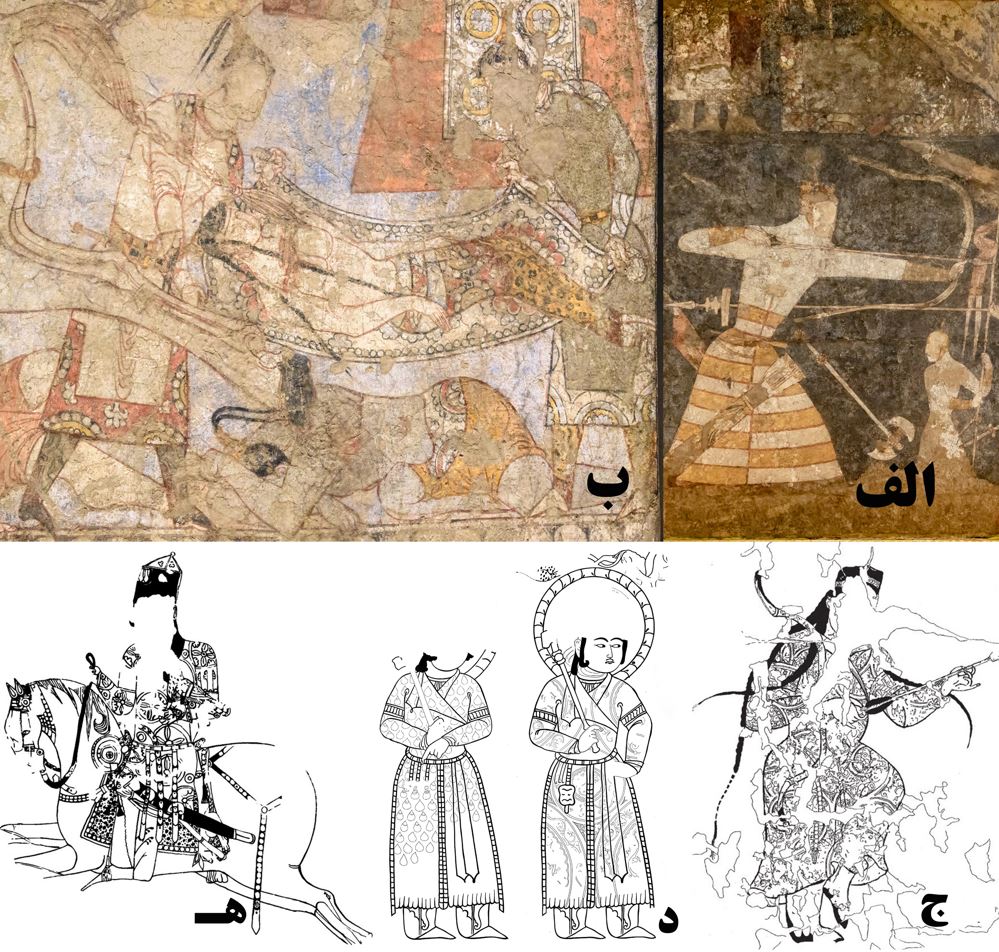
درپی شناسایی آبشخورهای هنر دورههای آغازین اسلامی (پیشامغول)، پژوهشها در یک سدۀ پیش، سویههای گوناگونی را کاویدهاند، از میراث مسیحیان میانرودان و زردشتیان ساسانی تا سغدیان ایرانیمآب و فرهنگ آمیختۀ بوداییـمانوی ترکستان. یکی از آخرین دیدگاهها در این مسیر، از آنِ گیتی آذرپی است که برپایۀ چیرگی فرهنگ عربی در نسخهآرایی پیشامغول، دیوارنگارههای فرعی سغد با مضامین عامیانه و غیرحماسی را اثربخشترین ژانر هنر خاوری بر هنر دوره اسلامی میداند. پژوهش حاضر، بربنیانِ جداسازی نسخههای یادشده در دو گروهِ آثار جبالـجزیره (متأثر از فرهنگ خراسانی) و بغداد (متأثر از فرهنگ عربی)، به هدف سنجش دریافت آذرپی و شناسایی جایگاه اثربخش حماسهنگاری سغد (در جایگاه مهمترین ژانر هنری تمدن فرارود)، سویههای این اثربخشی را به پرسش میگذارد. در این مسیر، ده نسخۀ جبالـجزیره (بربنیان ویژگیهای سبک و آرای هنرپژوهان پیشین) و 26 دیوارنگارۀ فرارود به شیوههای توصیفیـتحلیلی واکاوی شدند و اثربخشی سنتهای حماسهنگاری در دو گروه سامان یافتند: نخست، بازنماییهای برآمده از زیست فرهنگی سغدیـترکی که مهاجران ترک از فرارود به جبالـجزیره آوردند (مانند بازنمایی زنان جنگاور، نمایش نیروهای آسمانی)؛ دوم، روگرفت از نقشمایهها و شیوههای هنر سغدی (مانند پسزمینههای رنگی، ریزنگاری رزمجامهها و ترکیببندیهای متعادل). واکاویها نشان دادند، آنچه از سنتهای فرهنگیـهنریِ مهمترین نمود هنر سغد، یعنی حماسهنگاری به ترکان فرارود رسید، در شاهراه تمدنی خراسان تا جزیره پیش رفت و نسخهپردازی ممتاز پیشامغول در این سرزمینها را جدا از تکاپوهای هنری عباسیان(بغداد) و مملوکیان(شامات) رقم زد. دربرابر دریافت آذرپی باید گفت، بهسبب چیرگی فرهنگ ایرانی در این حوزه تمدنی، سنتهای دیداری حماسهنگاری در نسخهآرایی این نواحی، نمودی چشمگیر دارد.
واژگان کلیدی
دیوارنگاری سغدی، پنجکنت، افراسیاب، سمرقند، نسخهآرایی جبال، نسخهآرایی جزیره
مقاله را در وبسایت نشریه، اینجا ببینید.
مقاله را از اینجا دریافت کنید.
The Manifestation of Sogdian Mural Painting Visual Traditions in the Manuscript Illumination of Jibal and Jazira: a critical assessment in relation to the views of Guitty Azarpay
Maryam Keshmiri
Associate Professor, Department of Painting, Faculty of Art, Alzahra University
Abstract
Since Thomas W. Arnold discussed the origins of Islamic art in his book Painting in Islam (1928), highlighting the role of the Manichaeans of Turkestan and the Christians of Mesopotamia, a considerable body of scholarship has addressed these beginnings. Alongside this perspective, and concurrent with the expansion of archaeological excavations in the Sogdian city-states of Transoxiana, including Panjikent, Afrasiab (Samarkand), Varakhsha, and Shahristan, a new chapter in Islamic art research emerged, emphasizing the influence of Sogdian art on pre-Mongol art. One of the most recent theories in this field was proposed by Guitty Azarpay. Familiar with the distinction between artistic genres in Sogdian murals, including epic painting, ritual paintings, and popular narrative scenes, she writes in part of her book Sogdian Painting (1981) that, because Sogdian epic painting, with its Iranian–Eastern themes, was incompatible with the sensibilities of Arab peoples, reflections of the minor genre of Sogdian painting, namely popular narrative scenes, can be found in Arabic books from Iraq, such as Kalila wa Dimna and the Maqāmāt of al-Hariri.
Taking Azarpay’s argument into consideration and drawing on historical evidence concerning the migration of Turkic peoples—particularly the Seljuks—from Transoxiana to Khurasan, Rayy, and Azerbaijan, and subsequently to northern Iraq (centered on Mosul) and southeastern present-day Turkey, the present study adopts the theoretical premise that some forms of manuscript production in pre-Mongol Mesopotamia were supported by peoples who had migrated to these regions with Eastern–Iranian cultural sensibilities, centered on Greater Khurasan. This raises the following question: given the affinity between the cultural sensibilities of Turkic peoples and Iranian–Eastern epics, what influence did Sogdian epic painting exert on manuscripts produced in Rayy and Azerbaijan in Iran, the cities of northern Iraq (such as Mosul), and southeastern present-day Turkey (such as Diyarbakır and Mardin)? Following the geographical terminology of the early Islamic world, this study refers to the aforementioned territories as Jibāl and al-Jazīra. The phrase “Manuscript Illumination of Jibāl and al-Jazīra” in the article’s title derives from this geographical designation.
This study proceeds on the basis of two groups of visual evidence. The manuscript illumination traditions of Jibāl and al-Jazīra are described through an examination of ten prominent manuscripts from these regions whose significance and attribution are generally accepted by scholars. Sogdian epic-painting traditions are identified descriptively on the basis of 26 non-Buddhist Sogdian murals, particularly those from Panjikent, Afrasiab, and Shahristan. The next step involves matching and comparing the features identified in the works selected during the preceding descriptive stages, followed by a diachronic reassessment from a historical perspective.
This article compares the visual traditions of illustrated manuscripts from the Islamic period with Sogdian epic painting along two distinct lines:
1. Visual traditions in Islamic-period manuscripts rooted in the cultural life of the Turkic peoples who migrated to the territories of Jibāl and al-Jazīra. At least two subjects can be examined in this regard:
1.1. Depictions of prominent and warrior women: Sogdian painters did not restrict the representation of warriors to men. In the culture of this region, warrior women were as important as their male counterparts, and a considerable number of Sogdian murals, such as the battle of the Amazons, attest to this status. Like Sogdian epic painting, the manuscripts of Jibāl and al-Jazīra likewise depict warrior women or women of prominent social standing. At least two manuscripts, Varqa and Gulshāh and the Maqāmāt of al-Hariri, attributed to northern Mesopotamia, display this characteristic.
1.2. Depictions of celestial bodies: In continuity with Sogdian beliefs, in which Nana was among the venerated deities, the Transoxanian Turks continued to believe in the supernatural power of celestial bodies, particularly the Moon. Manuscripts such as Kitāb al-Diryāq in the National Library of France and al-Aghānī depict the crescent Moon above the heads of rulers and manuscript patrons.
2. This study demonstrates that, alongside motifs rooted in deep-seated cultural and social traditions, certain artistic forms and techniques were also reproduced irrespective of their meanings. Examples include:
2.1. Red and blue backgrounds, sometimes incorporating animal motifs and arabesques: Unlike the miniatures of Baghdad, paintings from Jibāl and al-Jazīra characteristically feature uniform colored backgrounds, which are sometimes embellished with various ornaments. This tradition became widespread through the imitation of the background treatments found in Sogdian epic murals, such as the Blue Hall at Panjikent and the Red Hall at Varakhsha.
2.2. Artists’ emphasis on depicting details of military attire: The importance of warfare in Sogdian culture and, subsequently, in the culture of migrant Turkic peoples led to particular care and precision in depicting military garments and horse trappings in battle scenes. Such meticulous attention was especially common in Sogdian murals depicting battle scenes.
2.3. Balanced composition: In Sogdian ritual murals, which were painted alongside epic scenes to celebrate and commemorate their events, a particular compositional arrangement was common, organized around a central figure and a circular composition. This compositional scheme also held a special place in the Buddhist–Manichaean murals of Eastern Turkestan. In the opening pages preceding the main text, manuscripts from Jibāl and al-Jazīra employ the same composition to honor the manuscript patron.
A comparison of Sogdian epic murals with paintings in manuscripts from Jibāl and al-Jazīra, which reflect Eastern–Iranian traditions, demonstrates that the art of the Islamic world before the Mongol invasion was influenced by Sogdian works along two distinct trajectories. Alongside the influence of popular narrative painting traditions on Arabic manuscripts from Baghdad and southern Mesopotamia, Egypt, and the Levant, as emphasized by Azarpay, manuscripts produced in the more northerly regions along the principal route from Greater Khurasan to northern Iraq and southeastern Turkey were strongly influenced by Sogdian epic-painting techniques, reflecting the Iranian cultural inclinations of their patrons. Undoubtedly, the findings of this study offer scope for further investigation and development in several directions. It is possible that a broader understanding of Sogdian art, to be achieved through future archaeological excavations, will reveal further and more complex aspects of its influence on the manuscript illumination of Jibāl and al-Jazīra.
Key Words
Sogdian Murals, Panjikent, Afrasiab, Samarqand, Early Islamic Manuscripts, Jibal Manuscripts, Jazira Manuscripts.
See article Here.